Squatter
scent of the day: Onthamara, by Prin
Before I went down an Ensar rabbit hole, this was the one fragrance that was meant to make the end of the acquisition phases of my fragrance journey. It is, indeed, an excellent one. And the musk competes with Ensar and Areej releases. I went after it because it was supposed to be the most nastiest animalic there was. What I got was a sprucy musk and tobacco leather around a weirdly incensy campfire. I do find, especially given how tamed the cumin is, that it is less nasty than nisatiruk and arsalan and homa—which are my most aggressive-nasty animalic frags, although I would have to add in Murasakino too. But it will be in my collection forever. It has a nice petrichor soil overlap with Ahuizotl and a great natural musk (not as good a Mongolian Mriga or Nisatiruk on that front, which is saying a lot about those two since Onthamara is right up there with Areej musk.
match sulfur wood of Oud Luwak and many Ensars, plus pine-tarred leather and spiced-tobacco of Varuek, in drydown of onthamara—the movement is from sublte boozy (sort of like the boozy I get from Loup) to dusty sulfur oud wood
*Even though the piece is still sloppy, I really drive home the impression that I am not parodying from the outside but rather inhabiting the logic so faithfully (following it even when it contradicts itself) that it collapses under its own weight. I operate in the tradition of Swift’s A Modest Proposal. The risk is that readers might not get that I am joking. I think that my tongue is so clearly in my cheek that they would be stupid not to get it. But in that case the joke is on them. Because honestly—anyone who reads “tag-teaming the literal shit out of your nine year old” and thinks I’m being sincere probably wasn’t going to be convinced by anything anyway. Lol.
Squatter
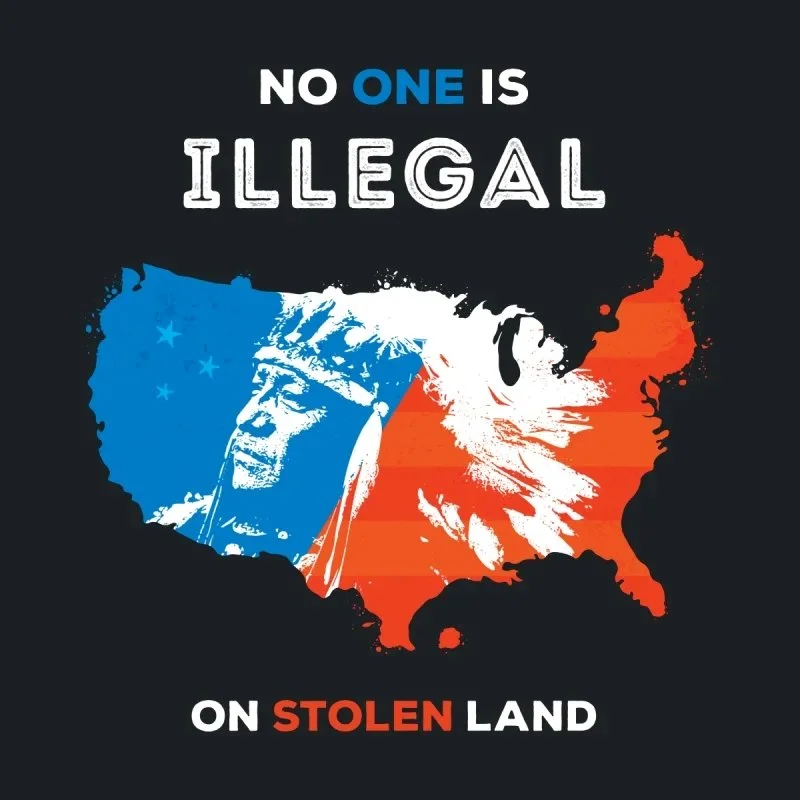
You don’t own your home—whatever the deed might say. How could you? No one owns this land—except perhaps the First Nations (and even that’s a stretch, since the land was here long before them too). You might protest: “Well, a contract was drawn.” But that contract was signed by people who, when you trace the chain back, had no ownership to begin with. Their signatures were theater, posture—ink pretending to mean something.
You have no right to kick anyone out. No one is an illegal, no one a trespasser. Who are you to decide who belongs and who doesn’t? The same principle that declares borders illegitimate because “we’re all on stolen land” dissolves your property line too. You claim ownership through a chain of theft. So what makes your threshold any holier than a national boundary? You can’t say “no human is illegal” when they cross the Rio Grande but then renege when they cross the bedroom threshold.
You fancy yourself noble because you keep the porch light on, a beacon not just for those you invite but for those in need. You pat yourself on the back for hospitality: letting in the needy however much they stink, however many bedbugs they have, however contagious their diseased cultural values. You think generosity redeems you. Fine, you prioritize those fleeing tough times. You give up the spaces you call your own to them. You feed them. But it’s all smoke. And even the thickest smoke betrays you. Take one of your proudest gestures: you allow the tired and the poor a path to permanent belonging. But pause on those words—you allow. Who are you, though, to allow?
And if we look deeper, if we look past your beguiling hand of good deeds, we find the other hand busy at the lock. You exclude people. You have no right to, but you do. You let them in only on your terms: they must knock on the front door, they must be put on probation, they must pass tests. Yes, you make them take tests—as if your approval matters, as if you have the standing to judge. If this were not bad enough, you try to kick out those who broke in—as if it matters that they broke in. It does not matter. Let them kick right through the glass. Have you ever heard of squatters rights? Nor does it matter what they do after they bust in. Squatters rights are not a function of doing the dishes and landscaping the lawn. Even if the squatters did none of this, even if they defiled your carpet not just by means of muddy boots but by tag-teaming the literal shit out of your nine year old for the pure brown-scuzz-tide-on-cock fun of it (high fiving all the while, singing “La Cucaracha”)—no one is an illegal.
Even here you throw up more smokescreens. That is the devil of whiteness for you, layering on ethical perfumes. You think you gain some moral leverage, some right ultimately to say who stays and who goes, by your list of good deeds: you give the squatters warnings and some time to gather their affairs in order (as well as money in many cases to make the move); you prioritize deporting those “illegals” who hurt those who came the “legal” way through the invite of the front door and follow the rules of the home; you keep a blind eye turned away longer from the “trespassers” who, although refusing to leave, still insist on helping out. But the trickery in this is clear to all. These feel-good deeds only further entrench the problematic idea that some people are illegal. They only further reinforce the toxic notion that exclusion can be just.
You might say, “since no one is trespassing because no one owns anything to trespass upon, I can take their clothing if I want and their food and their bicicletas—maybe even some squatter pussy.” Okay okay. You pushed us in a corner. But no longer are we afraid to lay out our hand.
See, the problem is that you are missing one factor—a factor puts an exception on the rule that exclusion is unjust: you are white. This factor makes all the difference. It is the reason why white South Africans do not belong in South Africa even after having settled there four hundred years ago. It is the reason why white Americans today are invaders of America even after having settled there five hundred years ago, whereas nonwhite immigrants who tunneled in two days ago are not. It does not matter that your great grandfather built a farm here sixteen generations ago. No amount of time will make this your native land. It does not matter that you live in California or Utah or any of the other places purchased from Mexico. The land was not Mexico’s to sell. The notion of property rights was an invention of whiteness, evil incarnate. And—although this is beside the point—if even if it was Mexico’s to sell, the purchaser—America, whiteness’s national face—had too much power for their not to have been sale-invalidating duress.
Cry psyop. Go ahead. But this is equity. As a matter of atonement, as a matter of redress from the horrors your kind has committed in the past and cannot help but continue to unleash, you—indeed, a cis white neurotypical male who even has the audacity not to be an ally for vulnerable populations—do not have the same level of rights as anyone else. So, while the point is irrelevant to the case at hand (which is about establishing that no one can be an illegal, a trespasser, in your land or home, a fact that erases the very distinction between guest and intruder, resident and trespasser), technically no: all things equity considered, you are not allowed to steal a squatter’s bike—not because the bike is his, but because you are you. That is the key thing you miss when you act as if it is of any relevance to say things like “Native American tribes were busy conquering each other’s land and the whites who entered simply did it better.”
How about instead of speaking all the time, instead of being all defensive, you stand down and shut up? It is time for BIPOC voices to lead the way. Evil has no ground to stand on.
Welcome home, stranger.
“We need books that affect us like a disaster, that grieve us deeply, like the death of someone we loved more than ourselves, like being banished into forests far from everyone, like a suicide. A book must be the axe for the frozen sea within us.”—Kafka (against the safe-space cancel culture pushed by anti-art bullies, left and right)