Down on All Fours (ROUND 1)
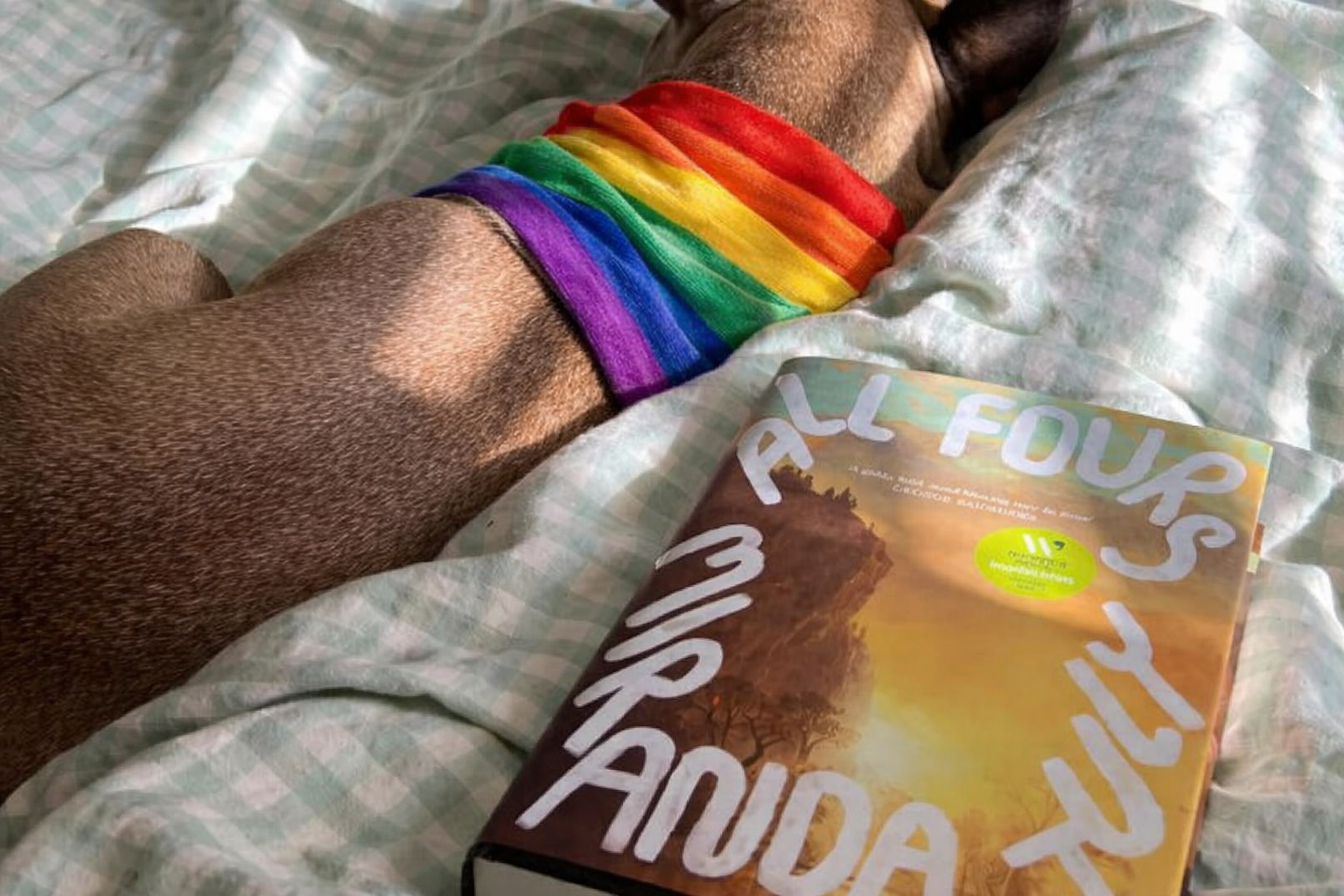
SCENT OF THE DAY: Civet Regal (parfum), by Elkhaldi
civet regal manages to combine a urinous sourness (Prince Albert barbell glinting after a morning pee) with fecal fur (antique velvet upholstery that has seen its share or perineal prints)—a remarkable feat. / Although I think objectively it is better crafted than Blue Civet Dream by Pinoy Sirun (perhaps even lasting longer?), the Pinoy gives me what I want in terms of unhinged aggression. That is not to say the Elkhaldi is not right on up there. This is not round like Civet de Nuit. The civet here is more like I like it (although I do like aged civet too): not beaten down into a stream pebble smoothness by the tumbling of time. Civet Regal is right there with the pinoy, bright sour almost rosey civet but the pinoy is just more extreme.
Now that the dust of my frag frenzy has begun to settle, I really do like civet. Muskrat and skunk and even just hyrax always appealed to me more on paper if only because they are more exotic. But real civet might even beat out castoreum in my book. Such a wonderful scent. Wowzers—and long lasting—bright sour civet lasts and lasts. This dense version of the formular signs so bright and metallic. Imagine what the other one would do. I like my scents denser but I imagine the pissiness of that and the EDP concentration would appeal to vintage aficionados like Ramsey. We get the dusty-clovey tobacco, especially in the dry down, but the focus is more the figgy puddin drips off the Lewinsky cigar than the cigar itself—where by figgy puddin I mean a fig-flavored urine.
*Let’s workshop this piece about the values your novel must reflect to stand a chance at publication in the progressive era where we have carved out only the tiniest breathing room against white reign.
Down on All Fours
Female adultery, just like black looting, must be construed as reparations—not just in your mind but in your speech or, better yet, activism—if your novel, even your Sci-Fi novel, has a chance at a Big Five publication. It is not merely that moral legibility has become as important as aesthetic power. The orange has grown too bright even for that. No, the entire thread must pass through the eye of moral legibility before it can be said to possess any aesthetic power whatsoever.
So at some point, like a Coke bottle glaring in the foreground of a movie scene, at least one positively-framed female character (one written, that is to say, as a commissar-approved vehicle for justice-trumps-truth messaging about what counts as enlightened and safe) will say the following, or at least its off-world equivalent. “I refuse to feel shame for screwing men behind my husband’s back. My body, screwed by men for millennia, has nothing to do with his feelings. I am the very thing we are taught to fear: a woman finally unafraid to ask permission. I am confident. I am brave. I love my body.”
The character might say as much, yes, merely via signaling allegiance to one of the following positions, or their off-world equivalents: anti-ICE, anti-police, anti-borders, anti-whiteness; pro-Palestine, pro-pronouns, pro-trans, pro-DEI. These ideological stances, after all, have become bundled tighter than renate and chordate, even if forever shy of the trilateral-triangular coextensivity achieved in that social-justice heaven where ally scarves replace angel wings.
But if this female character is coupled with a male (and this is extra true if that male is white, or the off-world analogue thereof), not uttering the direct words of liberation would be a missed opportunity and thereby—in these bleak times when orange is the new white—a defect. A hierarchy will thereby form: works with this defect lower than those without. That itself—however disgusting, however white, that word “hierarchy” may be—is no cause for shame either, though. For the trauma vulnerable populations feel every second in a world of hierarchies renders them morally inculpable for creating new ones, especially when those new ones are erected in the service of dismantling the whiteness that is their only radix.
“We need books that affect us like a disaster, that grieve us deeply, like the death of someone we loved more than ourselves, like being banished into forests far from everyone, like a suicide. A book must be the axe for the frozen sea within us.”—Kafka (against the safe-space cancel culture pushed by anti-art bullies, left and right)