Homeless Man Beaten to Death by Teens (ROUND 2)
scent of the day: T Habanero, by Rania J.
T. Habanero, to give the TDLR, is an herbal and piney tobacco encased in pepper-infused wax. Think 1 part Chergui and 2 parts Memoir Man but done with artisanal classiness and a sprinkle of Burning Barbershop.
Here we have a leather-and-oud twist on the hay and incense tobacco standard we get in Serge Lutens’s Chergui—only here, unlike with the sourer twist we get in Tom Ford’s Tobacco Oud, the leather and the oud are more authentic and coupled with an aftershave mint that leans this fragrance into tobacco-barbershop territory without sacrificing darkness. In that sense, T. Habanero feels like the baby between Chergui and Memoir Man: the lightness and elegance reminiscent of Chergui and its tobacco, but with the throat-tickling spice, especially in the beginning, going minty and barbershoppy in a way that results in a feel very much like Memoir Man.
The opening gives a farm-stable agarwood—prominent, but not as pungent or skanky as something like Bortnikoff’s Lao Oud or Ajmal’s Dahn Al Shams. This oud quickly recedes, as does the citrus-oil-zested mélange of cardamom, black pepper, and pink pepper. What remains is a charred-and-growly-but-distant supporting role for the broad-spectrum tobacco, unsweetened in defiance of the Herod–Naxos norm, but glowing with that same hay-meet-pond vibe I get from various frags like Haxan, Ruade, Tabac Tabou, and Lost in Chenla)
This is quality tobacco, evoking both cured leaves and burnt cigar ash, but it takes more and more of a backseat as the perfume develops.
As the tobacco settles, a Rien-reminiscent trifecta of myrrh, incense, and sandalwood-creamed leather shows itself as having been steady all along, even if behind the scenes. The leather here is a much lighter and classy version of the same animalic leather in Orto Parisi’s Cuoium. It does not go as filthy, as sweaty, or as sulfuric as Cuoium. It keeps the animalic edge polished into something darker, smoother, and more wearable. The oud is prominent in beginning but then recedes to add smokey darkness to the leather and tobacco.
This is where the name starts to feel slightly off. In addition to this fragrance’s lack of habanero, the eucalyptus-like camphor invites a name change. A better name would have been something like “Barber Chair Tabac”: capturing the leather and tobacco element and also alluding to the shaving foam. It would honor how much this Rania J. release ultimately boils down—with its leather and shaving foam elements—to a sibling of Memoir Man, another notable dark fougère. The leather and tobacco element and shaving foam elements are so central that “Tobacco Oud” would have made more sense too. That name seems more appropriate here than on the Tom Ford.
The barbershop camphor shows that we can have a tobacco barbershop without going utterly fresh or oldshcool like Tabac Vert. It has the aftershave lift, the minty shaving-foam brightness, the camphorous cleanliness, but it never lets that freshness dominate the darker materials. The oud, myrrh, incense, leather, and tobacco keep the whole thing from becoming merely clean. Instead, T. Habanero holds itself in that strange zone between dark fougère, tobacco oud, leather incense, and artisanal Burning Barbershop.
*Let’s workshop this poem about how an interpersonal survival tactic collapses into a closed circuit of self-pity, eventually hardening into a hollow spasm that the young misread as living cry for help.
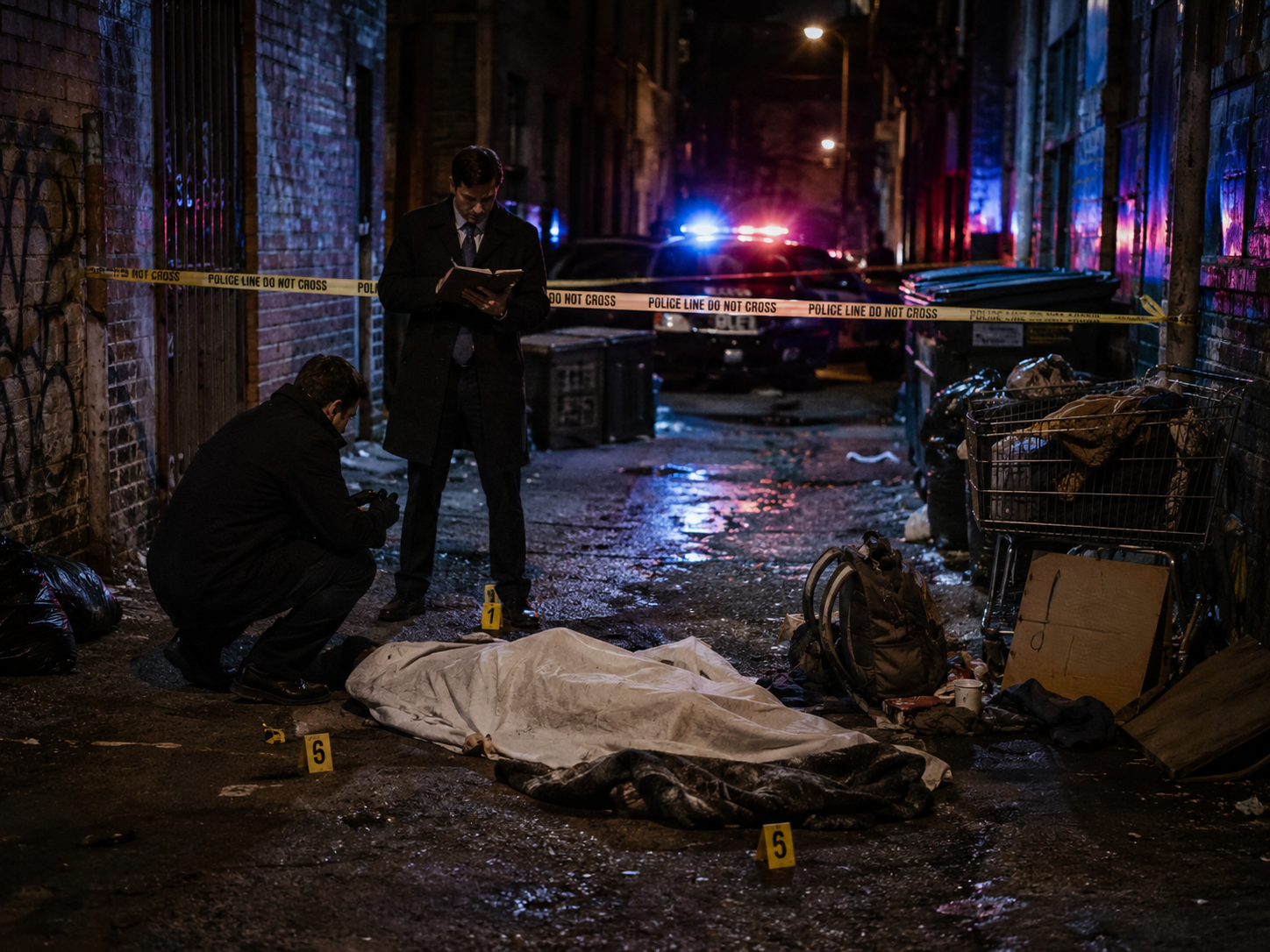
Homeless Man Beaten to Death by Teens
From the very days of flinging highchair applesauce you would knock over Mom’s rum coffee, rum soda. Boo-hoo faces from such self-injury, genuine (since, even if hindsight said “mothers shouldn’t be drunk,” this havoc yanked against a primal inner compass)— they exacted pity: “Ssh. It’s okay.” They exacted pity from loved ones hurt enough, seeing you so down, to patch neglect with a hug. That backdoor bargain (hurt yourself, be embraced by some agency beyond)
devolved over the decades—peach fuzz, then beard and girth, draining the pool of prospects still willing to play along. Like your muttering, agitation theater inching back from being even for imaginary others, first the bargain withdrew, for all stubborn resistance to the clue of no reply, away from the interpersonal into the private—into self-pity. Later, on the streets (broken turnstile for locals, encore Broadway show for tourists), it withered, like those mutters as well,
into little more than reflex devoid of any catharsis, bald mechanism stripped of soul expression—a tic, written off on subway trains even by priests (jaded dispensers of grace thumbing their smartphones), that only perhaps the select few young, detecting a shared psychic seed (a mirrored future) or just naive (believing every scream demands a witness), misread as what it (mere ghost transmission) has long ceased to be: a prayer, if only subconscious, for intervention.