Sinners Portion of "Hypocorism" (ROUND 2)
SCENT OF THE DAY: Ahuizotl, by Prin
Zoologist Bat style soil (very musty but minus banana) plus herbaceous camphor: a soil scent more mildewed than mentholated but still perceptibly enough minty. /cloudy air mintiness—green bent almost to musty marijuana. smokey animalic cones out in base a menthol twist on prins standard leather base. The one knock is that the soil impression is not wilder and that the standard—beautiful but standard—leather base. I find this castoerum style leather base lovely but it is annoying when I get all these Ensars and all these Prins with that same leather house DNA. What is interesting though is that the leather does get very rich and strong like Cuoium. this confirms it is a leather soil scent: batwing leather
*Let’s workshop this portion of a story about an adult-minor romance I have been working hard on behind the scenes over the last months--this portion being relevant given the Oscar success of Sinners.
*Worked on beginning McDonald’s portion today. My goal is to make the later dialogue a bit more messier.
Sinners portion of “Hypocorism”
The day after her return from D.C. they drove to a McDonald’s just outside the city. “I shouldn’t be giving you this shit,” he said. The drive-thru line spilled into the street. “Go around, you bastard,” he said, waving at the car behind the jut of his rear bumper—words frustrated, tone easygoing. Just being here, let alone contributing to the blockage, would have once set him tugging at his collar (as if desperate to fight an invisible stranglehold) and shifting the sash-strap of his seatbelt (as if desperate to flee the rebound of his own heartbeat) in between, no doubt, picking at the skin around his nails (as if desperate to flatter the impersonal radix of his vertigo)—a Pandarus-approved diversification of fidget-spinning distractions as successful at muffling the call to make deeper corrections as stockpiling a shifting array of earthly goods (women, perfumes, gadgets) is at muffling the sting of inevitable loss. Beyond the crap food, what also factored in was the implication of belonging to places like this: hoi-poloi appetite assumed, refinement and discipline mute—mute just like his writing, his quixotic vocation, for a populace of fruit-fly attention spans and near-backwater literacy. He had worked hard to rise from his circumstances, to cultivate his tastes. The isolating fury that governed his life left little room to Netflix and chill.
A car had come from the wrong direction to enter the line. “It’s fine,” he said, signaling it to cut in front of him—the happiness on the female driver’s face surging his body with warm-fuzzy voltage. Feeling like just another number, the reduction—that all by itself, no matter the nature of the crowd, bothered him. As early as three, already resistant to being cast as one more interchangeable unit in a ritual not of his choosing, he had refused to smile when waitstaff sang “happy birthday.” Whether among the Walmart stampede on Black Friday (cursed at over an Xbox, as if everyone in the building were not going to be dead relatively soon) or among the swarm at a music festival (told to wave his hands in the air, as if he were one of countless gullible tools in some glassy-stare cult), the puke-level disgust of seeing himself as a veinless marble (replaceable, unjustly, with any other in the hive of white marbles) refused to relent. It refused even after he reached the understanding that—from just a slightly more cosmic perspective, just that of a child on a field trip to the farm—Shakespeare is to a corner hobo as one sheep face is to another for young Schopenhauer on a field trip to the farm, all diversity dissolved into a collective motion.
She opened the window, the subwoofer thump of music outside now sparking with high-end harmonics. “This’s a special treat.” The words simply leaked from his mouth—the firing of the same reflex circuitry that keeps a kayoed boxer, eyes fluttering beneath the ringside medic’s penlight, bobbing and weaving as he paddles out phantom combos like a dreaming dog. Age had sanded the edge down. To be seen in I-Hop—yes, even by the weekly gorgers who think this is fine dining—used to crimp his stomach, which he would hold—clenched jaw of Valsalva flush, shifty eyes—as if in a somatic brace against dissolution. But if he went into one now, or even into a Waffle House of diabetic hair hats prone to hangry brawls, he could settle down after a few minutes in the booth—identity drowned like his griddle-borne starches. Wanting to block the Muslim clerk from viewing him—teetotal for the sake of healthy body and mind—as just another addicted heathen piece of white trash like the rest of the homeless people outside, he used to work in somehow that the alcohol was for his ex-wife (using, in fact, the word “teetotal,” a word the man would not likely know, to drive his distance home). But now—and this had been proven beyond mere counterfactuality, since his last little hoodrat girlfriend liked to suck down big humming 40 ounces—he had greater peace, lesser qualms about letting his sense of self blur at least at the edges: the need to disclaim, to prevent misreading, would rise up as he took the walk of shame toward the bearded man at the register and then, not just because psychology 1o1 told him that even well-cloaked desperation to set straight could provoke the opposite reading (“What ever you say, buddy. Sure it’s for her”), he would watch that need drop away with a sigh like the childhood dreams of Al Bundy.
He shook his head and wagged his finger when, unlike the previous car (whose hang-back politeness won him over, manners always going a long way with him), another car—edging and edging in—tried to take advantage of the niceness he had shown, the niceness that made him mistakable as a mark as much as it fueled the consequences-be-damned countermeasures (a ram-reversal-ram sequence of pain-killing homecoming in this case) that always gave the impression of lashing out of nowhere. “It’s a zipper. You don’t jump teeth.” By no means had he conquered his compulsion with making sure others know the truth about who he is and what he is about. He still struggled with what he called “vanity”—an overly-reductive framing since, although concerned about what associations and behaviors might say about him in the eyes of others, he wanted more a fence to stabilize his identity than a crown to adorn it. He still hated seeing the single tall-boy beer ease down the conveyor belt, especially when it meant that he would have to hold the line up as the underage cashier waited for a manager override for what those behind him would likely see as a poor man’s cope as opposed to the crucial element of a PhD’s beer-battered tilapia. Someone recently came into his elevator and, while he did manage to keep his mouth shut, he felt an itchy need to explain—and this no doubt leaked out through tongue-holding contortions (aborted glances, half-turns)—why he reeked of the amberwoods synthetics of pop perfumery (“I’m only wearing this cloying crap to do a Fragrantica review”), the irony being not just that it seemed everyone (on every city block, in every mall) loved this beast-mode dreck of autotune aromachemicals just as much as they loved Taylor Swift but that the girl who walked in had been radiating that unwashable stink herself.
It became his turn to commit to a lane—and against his preference for the inner, which as more locked in spatially to the building was in his mind more likely to be locked in when it came to getting orders right, a gap too big had opened for him to keep resisting the outer. “Just get whatever you want.” The dwindling energy reserves of shallower sleep, too often mistaken—in childish self-congratulation—as the agency-earned tranquility of maturity, no doubt played a role in his change. It played enough of a role that a lot of the same resistance would likely crop up—he was honest about that, despite the out of having incorporated mindful breathwork into his physical fitness regiment—if he were to start the TRT regiment he had toyed around with for some years now. But that could not be explanation here. His energy, because of her, had grown into that all-night sex-stamina of the twenties and yet his felt more footloose than ever.
They were next. “Nah, I’m definitely getting something.” He would have credited the change, at least the difference-making core of it, to her—not just as a performative formality, the way most victors credit God, but in all sincerity. She carried a contagious ease. She emanated this chill factor, this acceptance—this light-footed spirit of anti-gravity that nudged him along a more carefree path. He struggled to find more precise formulation. But even that failure, a serious admission for a writer, did not bother him. She brought a buoyancy, an unbothered ease, that made his own strictures feel, if not unnecessary, at least negotiable. He simply left it at that.
They pulled up to the intercom. “Not something we make a habit of, miss—got it?” He had to say it. He would not be him otherwise. The principled phrase came out, though, with a toothy smile of loosened hangups. He did not default to deflection. He did not relay her order with that just-get-me-out-of-here-already tone. Instead of simply communicating her answer to the worker’s questions in that word-for-exact-word style of remove (not like a mere conduit but rather like some intermediary barely able to stand even the intermediary role in the transaction), instead of then asking her “Is that it?” (even despite her still-thinking look), he had internalized what they wanted and conveyed it all himself—even sized up their nuggets on his own whim, no checking in to diffuse responsibility into many hands. What did it mean that being saved meant surrender to the crowd, surrender to enabling unhealthy dietary choices?
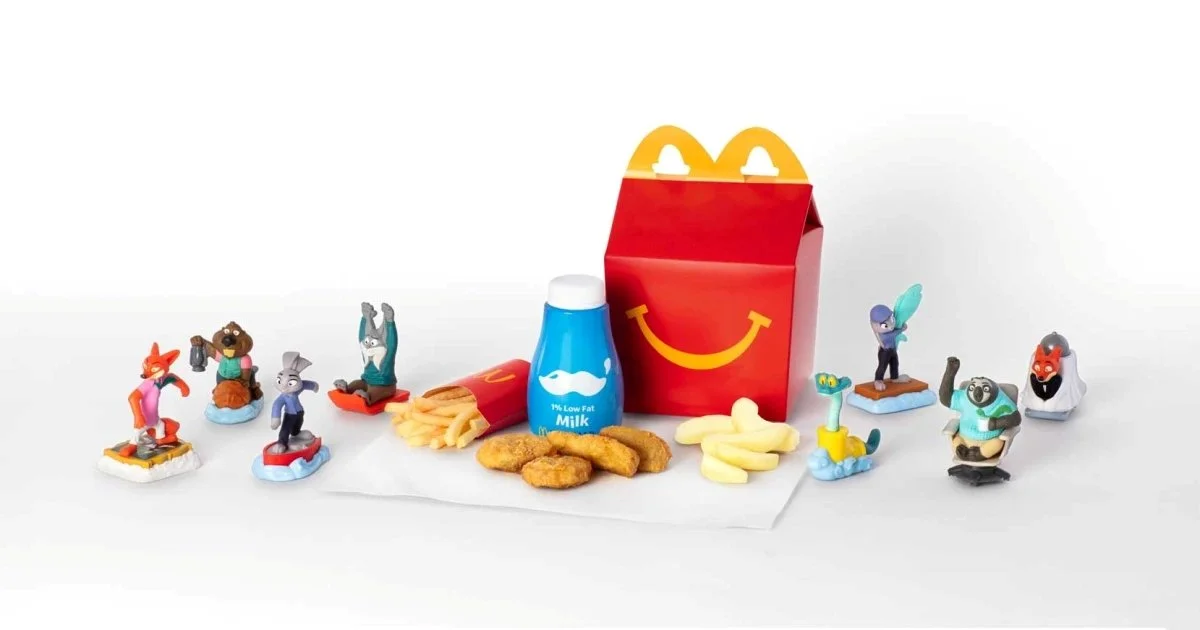
Aristotle knew the answer. “Want a dessert too, cutie pie?” he said, as the philosopher might have here. She shook her head. The speaker crackled “Will that complete your order?” “Well,” he began, “actually——.” She leaned across him before he could finish. “Um, excuse me. What toys come with the Happy Meal?” He glanced at her, a scrutinous smirk forming. Had she just beaten him to it—to the very age-play punch he had been about to throw? He did not know for sure until she smiled at him. The same idea, the same perverse bend in the moment—she had either interpreted him faster than he could stabilize himself or, even better, had been on his wavelength all along. “Them Zootopia ones,” she said. “You still got those?” That seemed to settle it.
As he drove she searched on his YouTube for music videos. “A nigga For-You way different. What’s this one? He reminds me of you?” It was “Tonight Tonight” by Smashing Pumpkins. He insisted she not click it. “Nigga act like it poison.” He told her it pretty much was, how it would lock in his head and loop while he tried to sleep. “Why?” He explained that it belonged to a set of songs by Pearl Jam and Nirvana and Dave Matthews that were really good at triggering painful nostalgia. They took him back to a time in which he would be in his dad’s one-room place, a little granny casita on the landlord’s property, watching TV through the mystical haze of chain-smoked cigarettes and the one-after-the-other crack of Busch cans—learning the secret to handling fear: hiding from the world. “Dead.”
He told her feels he missed out by not being present at the time, not appreciating that time enough then—the story of his life. “They’re many ways to be present. You aint God.” He explained the irony of the situation. He always wanted to see the Mariah Carey video come on MTV, the one with ODB, or the one with Janet Jackson jumping around on the seven wonders of the world. He hated when the Smashing Pumpkins one would come on because it was nerdy and white and they go to the moon and it has a whole derigible-meets-top-hat aesthetic that he did not know then was called “steampunk.” “That sound cool, though.” He explained—after, of course, praising her for not being bound by the sheepish categories he had internalized—how a lot of the rock songs he tried to distance himself from in the sweep of what is now known as the “wiggerification era” had this effect on him, this one in particular. The emotional power of the song, which has now become one of the musical touchstones for his xennial generation—he felt it at the time but tucked it down like it was something he should not like, a source of shame. “Tch. I wish I was there. I’d be like ‘Never give your truth to fit in nigga!’ You never have to hide.”
As to why it literally used to pain him at her age when he found this song and others like it (“Vaseline” by Stone Temple Pilots was one) catchy, as to why he pretty much had to shoo away the choral loops like gay adolescents using hail Mary’s to shoo away thoughts of man ass, he did not say. “That’s deep pain right there. That’s like being in the closet.” But something had him bring up school around that same time, how he hated being that token white in an environment where whiteness was marked as inferior and bully-worthy—and definitely nothing the girls he liked wanted any part of. He mentioned how in class everything would be tied back to slavery in some way or other and he would sit there beat red feeling like some of the teachers themselves had an unprovable hand in orchestrating the confrontations out in the halls and in the streets. “I’m sorry for your experiences,” she said. “That sucks. I’d go back there for you if I could—give a nigga that permission slip to be.”
They parked at a woodland overlook and made their own drive-in, his phone clipped to the dash vent and twisted sideways for the film Sinners. He watched her, from the corner of his eye, dip a nugget into one of the sauce containers on her lap. Then it came spinning toward him. His mouth opened as if it had been planned. There was no more mess, no more mouth adjustment, than if he had fed himself. He returned the gesture. But he did not do so out of that compromise feeling I guess we’re doing this now. He loved it.
They rotated between fries and nuggets—shoulders touching, often heads too. They licked salt from each other’s fingers with the same absent intimacy with which one licks one’s own. It felt less like feeding each other than like a single organism tending itself from two centers of consciousness. The floor of love had dropped—deeper than what they had thought was bedrock. He noticed it only because noticing things was what he did. He looked to her for shared recognition of the flow’s perfection. Her eyes stayed on the screen. He had started to slink into vacillation between cherishing it as his own private gratitude and chastising himself for stepping out of the present, a back and forth that would have reliably given way to the panting minimalism of thinking that he could not stand another heartbreak. But she handed him a napkin he had not yet realized he wanted. And they kept feeding each other—natural pauses, natural resumptions—as the sky darkened around them.
Late in the movie he looked over. She met his eyes this time. Grease on her chin gleamed in the glow. She glanced down at his crotch and bit her lip. The message translated across all ages and cultures. The air itself so insisted on a blowjob, one of those mean ghetto gaggers, that he could have sworn she had given him the old forehead goad of “Pull that motherfucker out”—universals upon universals. Even evangelical teenagers on a nervous first date, if swapped into this car, would have felt strung along to that glucking endpoint, nose-pinching roughhousery and all: “Eghck eghck egchk.” Earlier in the movie the blues boy had gone down on a black woman who just had to add to her sexiness the fact that she was nasty down there from a long summer walk. That scene had done its work on both of them. But the thickness was in the atmosphere itself. It could just as well have been Thumper thumping in The Land Before Time. Just as the witching hour brings its own charge no matter what happens to be going on (some inheritance perhaps from tree-bound mammals huddling at that zenith of darkness and predation), the static of weather turning—the internal expansion of fluid before a storm—would have had every bit of them standing on end.
Pulling out, even if on the scout’s honor promise to self just to jerk off, would spell disaster in that drugged air. She would drop her mouth on it. He too could trace a vibe around corners. He would pull her head back, yes. But it would be by her hair. And that mouth would latch tight like a ghetto toddler pulled away from its mother by a cop just doing his duty. With the optics of it all, with the need to finish down that baby throat he wanted to be his forever, he could not see how lifting her head would not be followed by pushing it down again, up and down—a rough metonym for their situation, push and pull, deconstructing on the spot toward bliss. And in those last gallops even the sudden intercession of intangible black matriarchs, ghosts of women who had been his lovers in both fantasy and reality, would not matter. No amount of declaiming in their white-linen flight “She’s just a baby” would stop him working her head like a toy of insensate silicone.
For distraction he tried to turn to what came easiest: his problem with the movie. Its ideological agenda was too overt not to curdle his stomach—even now, in one of the best three-hour stretches of his life. The bestiality paper had merely provided a rallying excuse for what his opposition to that agenda had already earned him. He had refused the expectation of ritual abasement—the demand that he drop to his knees in hair-pulling sorrow for his whiteness. He had said “Fuck you”—once even a “Fuck you, nigga!”—to white colleagues and chairs and deans who, decked out in the paraphernalia of allyship (infinity scarves, vocal fry, buzzword bingo), insisted he join them in offering “vulnerable populations” lowered standards and “safe spaces” from “unsettling ideas,” “violent data,” and “hurtful speech.” He had long suspected that those efforts to help were more like lures, as if straight out of Hansel and Gretel, into a trap where entitled grievance and learned helplessness fused into molten victimology. So he said “No” to the white “progressives.” And since he said it—in flagrant disregard to his own optics—even in the heights of Orange hysteria, where martial law put a moratorium on truth-telling not just on the comedy stage but in the university, their kangaroo court had to deal with him.
But the core of his gripe was more abstract, cerebral, than that the same people pushing this agenda had been the ones who engineered his firing, or even that he had a black son (around her age) whose energies he did not want siphoned—by temptations far subtler than “They Not Like Us” halftime spectacles—into guilt-tripping society for special dispensations on the basis of a pernicious lie. It could have been any issue. What bothered him—what, in the years after his firing, had brought him to the point of autistic rocking in place, unable to shut out the stream of code behind it all—was the irony itself.
That irony, perverse, had become the spine of the book he wrote (White Supremacy on its Deathbed) instead of returning to a department forced by due-process violations to reinstate him, instead of staying in a profession where the circumference of permissible speech kept shrinking (tomorrow perhaps to UK extremes, the day after perhaps to North Korea). The manuscript—in his desk, obsolete now with Mexican Panther on the drawing board at Disney—argued that the only substantial evidence for the systemic oppression of black people was in the psychic and physical damage inflicted by those hellbent on opposing it. Antiracist efforts to “help,” largely white-woman-led, succeeded in putting the black psyche at risk: spoiling black people with handouts and special dispensations; enabling, and even celebrating, hypersexuality, hyperviolence, anti-intellectualism, anti-long-term gratification, and various other attitudes long too dominant in black culture; reminding black people, even precious black children too young not to be forever imprinted by indoctrination, that whiteness excuses their every failure. Antiracist efforts to “help,” largely white-woman-led, succeeded even in putting the black body at risk in the most direct fashion: defunding the very police serving as stopgaps to so much black murder; baiting backlash from a heavily-armed majority whose mockery is incentivized (as payback, as comeuppance) despite already having been normalized for decades and whose prospects had long been restricted by endorse-or-else equity mandates creeping from academia into the Navy and FBI and local businesses and so on via reeducation workshops.
The irony had become so scoliotic, in fact, that his own arguments began attacking the spirit of the book. For so effective were these “antiracist” efforts, so total their institutional reach, that he could no longer tuck himself into tinkering details deep enough to ignore the thought that black people really were systemically oppressed after all—that, even if the BLM-DEI industry was no more intent on poisoning black excellence than oil-gas industry was intent on poisoning the atmosphere, there really was an antiblackness mechanism whirring. What else could it mean when, with rare exception (at least rarer exception than whites), only those blacks taught to believe they were oppressed by the color of their skin ended up being so in reality?
And now here was another film riding the abolish-whiteness gravy train. That was what bothered him. Here was yet another artifact of a toxic ideology that, in what serves as a humbling reminder for us to pause before we mock the architects of yesterday’s propaganda (which seems from hindsight too blatant to be anything but sinister), likely felt to its creators clever and daring—even though, truth be told, conditioning people to look always for the whiteness scapegoat had long since become the safest and dullest move of Taylor Swift’s America. That was what bothered him.
His anger had not been enough, however, to cauterize a desire as bloody as his. He had pressed into it deliberately, trusting the old chemistry—outrage as solvent, analysis as tourniquet. But even the most panderific scenes and “brave” quotes kept dissipating in her light, as if she carried the promise of release from a grievance he had not been able to put down without first proving it right (which he could never do to his satisfaction). That meant the rule—unless he was simply going to say “Fuck it” and let everything collapse into impregnating appetite—required something higher than anything found even in the most enraging cultural ephemera that could have him desert thanksgivings and daydream sharpshooter strike to those white skulls pedastaled by the infinity scarf. How could it not when he had to keep kegeling back his juices from spilling out?
So he reached for her hand. He reached for her hand to anchor himself somewhere deeper than argument. He stroked it the way an alcoholic fingers a rosary: slow and counting, as if to say “I’m struggling, man.” His pressure had meaning she could gather. And it seemed to have her call back that tongue-drooling spectral version of herself, that sloppy-toppy projection that had been humming over his lap with enough vibration for him to wonder if he had been wrong about the Salem judges being merely out for power and property. Through the credits they sat this way, the rule unbroken.
“My little Stink Bug like it?”
“I guess.”
“Only ‘I guess’?”
“. . . .”
“Michael B. Jordan, though. He’s a handsome fella.”
“Not my type.”
“But you didn’t like the movie?”
“Tch. I did. But it’s like two in one. Like who write this?”
“I get that. First half historical drama, crime—all this atmosphere, which was nice actually. And then we get this swerve into surreal supernatural horror—a whole faster pace.”
“And like they tryin too hard.”
“Like with all the sex? It made me squirm.”
“Yeah, that. But—.”
“I feel like a hypocrite. I don’t know if it felt forced. Or maybe I can dish it out but can’t take it.”
“No, I see what you sayin. But more I mean like it tryna punk white people, on some Mean Girls shit.”
“That’s a movie, right?”
“Yeah, that’s my mom’s shit. She have it on all the time back in the day.”
“Lindsey Lohan?”
“Of course, you’d know it’s Lindsey Lohan nigga. Dead.”
“What’s that supposed to mean?”
“You know what it mean.”
“Oh, okay. Young red snapper. Yeah, I got you. I got you”
“Nigga you say I’m trouble. You your own damn trouble.”
“Cancels out with us.”
“If you say.”
“So what’s the connection?”
“To what?”
“To Mean Girls?”
“Tch. Just how it get at white people. Like it’s cruel but cuz it’s history it’s okay. I don’t know. It’s frustrating cuz I can’t prove it. It’s like they put it back then but want us to think now.”
“Hmm.”
“You aint get that? Tch. I’m hate bullies, though. Even teachers be straight punkin white kids, playin real hard in they faces—on some shit like ‘That makes sense coming from you, Timmy’ and everybody laughin like it’s cute.”
“Jesus.”
“And it aint like nigga gonna say shit. Cuz if he do, now he Trump. Now he racist. Like everything a white nigga do, sit there and take it or talk back—he wrong. And crazy thing white niggas be the worst wit it sometimes. Like they wanna be in the clique. White nigga probably made this shit. Pick-me energy.”
“Gotta look that up.”
“But see, I get so heated—. I don’t know. Maybe it’s just a monster movie and I’m making it about me.”
“I feel that but—.”
“Tch. I’m trippin, though. Cuz I like when everyone can make fun of each other. Bout to be on my period anyways, so.”
“I wouldn’t be so quick to back down, girl. White people aren’t allowed to joke back. Everyone would call it ‘punching down.’ Maybe that’s why it feels more like bullying.”
“Punching down?”
“It’s just like picking on someone weaker. You never heard someone get at a comedian for punching down?”
“Nigga you always be comin with them phrases. Like what was that one? Tch. I used it too. Buckstopping. My teacher ain’t even know.”
“Of fucking course you used ‘buckstopping’ in class. Love that shit!”
“Sorry. Go ahead. Teach me about punching down.”
“It’s nothing crazy. It just means, like when we say it about the comedian, that he was cracking jokes on someone who’s already struggling and has no power. So it’s like pushing around a handicap person.”
“I get it. Imma use that too.”
“You like a sponge.”
“To niggas I admire and respect.”
“My stinky bug is so sweet.”
“So why you even bring that up? Sorry. A bitch period got her dumb.”
“I’m just trying to say that you have a point about the bullying thing even though you also believe that it’s good, or at least that—. You know. Like you said. You like it when, everyone can joke on each other. You have a point because white people aren’t allowed to joke back.”
“Cuz it would be punchin down.”
“Yep.”
“But that sound like black people gettin bullied actually.”
“Huh?”
“Cuz what? We like babies now? The fuck?”
“You’re the shit, man. Great point. So I guess there are two levels.”
“Fuck that. That’s really on some Mean Girls shit.”
“There are two levels but the one I was talking about—. I don’t know. It’s just that it’s something we all know—that white people can’t talk back because they have all the power or whatever. Like black people can call a white man ‘boy’ all the time. Our culture encourages the shit. But all hell would break loose in the reverse.”
“I feel you now.”
“That’s why I say ‘Who rules you is the one you can’t criticize.’”
“I get it.”
“But it’s not like it’s something you can just point to—a scene or a quote. And you said something like it feels frustrating to prove. Maybe that’s why it feels that way.”
“I know. Like I sound crazy in my head with conspiracies.”
“But yeah, the movie bothered me on a similar level—kinda pissed me off actually.”
“Great minds think alike.”
“And I do think we’re supposed to transpose, like map on, a lot of what the movie shows about the past onto the present. It’s hard—. I don’t know. It’s just a vibe.”
“See now you talkin like me.”
“There are things to point to, though. I’m not—. Like when the twin says that the North is just as racist as the South—only sneakier, better at hiding? That’s the same rhetoric we get in colleges and social media about racism today. There’s this whole antiracist industry that says white supremacist reign is stronger than ever even though things seem better. In reality it just got better at being invisible.”
“I get it. Nigga sound like my school.”
“That’s my damn point! It’s hard not to see that connection—like we’re meant to think what he’s saying about Chicago goes for the US today. I’m not puttin it right, though.”
“Nah, you make sense.”
“It does seem like an allegory, a commentary on today. I’m not saying I’m right. Because what about people that don’t know about what’s going on in America—all this rhetoric about how anti-blackness is stronger than ever and how whiteness is like some contagious disease. They might just think what is said goes just for the time, for history. I mean it’s a reach—like I’m the one connecting it to the present technically.”
“But if they didn’t know what’s going on, they would be ignorant. So what? Cuz they ain’t smart like you, that counts against what you say? The fuck?!”
“I didn’t mean it like that. Yeah, that would be dumb. I’m just trying to point out that technically I’m the one connecting the dots. It’s just another way of saying what you were saying about how it feels like you can’t prove it.”
“It’s just a vibe.”
“I’d like to try to be more rigorous than that. But that gets us into everything, big issues. Like where is the meaning of a book or movie or painting located?”
“Like what the person who made the shit tryin to do, his point?”
“It could be that. If the meaning is in what the artist intends, then we got to look up who made the movie (you’re bet is on some pick-me white person).”
“Dead.”
“And we have to see if he or she is on some woke shit, what other movies he made—all that. Maybe even his history and race and class factory in, not just what he says his intent was.”
“That’s cool. I like that.”
“But there are other options. Like some say the meaning is only in the text itself, the movie in this case. And the author—what he says about the film, who he is—doesn’t matter.”
“So like the audience decides?”
“Well, no. That is another option. I meant—. The option I’m talking about now is that there is an objective meaning in the text, the film or whatever, and it is there regardless of what the audience thinks too.”
“Okay. I see.”
“But yeah, there are some who say that the meaning only comes alive when the audience brings their own experiences to sort of synergize with the text.”
“What do you think?”
“I don’t know. It’s easy to say the real meaning is what the author intended. You went right there first yourself. But then figuring that out—well, then the author himself becomes another text.”
“What if he straight up says, ‘I mean this’—‘I meant it this way’?”
“He could be mistaken about his intent. We’re strangers to ourselves.”
“That’s deep.”
“But even if we push that aside, the question still is: does the text support what he is saying? So that points to the meaning being in the actual artifact, the painting or whatever. I don’t want to say anything goes, though—like whatever the reader thinks it means it does mean. But the reader still matters. But it’s more like a prism through which the light of the text can shine or—. I don’t know. Something to make the text come alive.”
“Like when I look at the music notes, like on the sheet, and try to play it.”
“Yeah, I like that. And—.”
“But each person who plays it not doing it the same.”
“They give unique angles on what’s there.”
“Some ain’t doing it right, though.”
“Yes. Right. And that’s what I mean, I guess, when I say it’s not just in what the reader thinks.”
“Okay. I see.”
“But man, you put me on the spot. I really don’t know. Damn, you got us down a rabbit hole.”
“You did, nigga. Dead.”
“I’m just saying—. I do want to be careful about saying, like so definitively, that the movie is pushing us to map on past racial issues onto the present.”
“But also nigga, you ain’t out there doing a lecture. Just say your ideas. Like why the movie piss you off? You ain’t gotta be worried about havin receipts.”
“The movie does seem to play into that idea that whiteness is an evil.”
“Periodt.”
“Like there is whole literature—. I mean, it blew up during Trump’s first term—this idea that whiteness is a literal disease with this whole slew of symptoms like obsession with punctuality and hardwork, logic and math.”
“Tch. I like math.”
“Internalized whiteness. You need some dance in your life. Bonfires—a shit ton of booty shakin.”
“Dead.”
“I mean, they literally say that. Whiteness is contagious. Like why do black cops shoot unarmed black men? Or why do hoes—black hoes, white hoes, Chinese hoes—never date black men? Or why are there Mexicans who are okay with illegal immigrants being deported? Because they have been infected with whiteness.”
“So you think the movie sayin that?”
“No. Well, maybe there’s something to it with the vampires now that I think about it. But let’s just say whiteness is put in a bad light.”
“Now I agree with that.”
“It’s not just that all the white people are pretty much ugly and all the black people are all cocoa-buttered and beautiful.”
“Oh my god. Glistenin!”
“It’s also—. I mean, what allows the white vampires to get into the Juke Joint? And I mean that’s another whole big thing that has us think of the present now that I think of it. Because there’s all this talk now of black-only graduations and black-only movie premiers. And it’s packaged—I mean, I know this stuff. I look at this stuff. I lived this stuff.”
“You good. Just say it.”
“That’s just how I talk, so—.”
“I’m just encouraging you.”
“I get it. I’m sorry. Anyway, one of the twins says the Juke Joint is a place ‘for us and by us. That speaks right to that big push today for black-only spaces, protected spaces. Like remember when Black Panther came out?”
“Nigga, I was like in second grade—first grade.”
“Jesus fuckin Christ.”
“Dead.”
“Anyway, they were sayin that whites should not come to the opening weekend. The stakes were too high, the threat was too big, especially with a white supremacist as the president. By whites stayin away black joy could get a chance to express itself without an oppressive gaze judging them. That was the idea.”
“Why that sound like more white pick-me energy? Dead.”
“Don’t get me started. Anyway, that’s the Juke Joint—a place where black people on other BIPOC groups can have just a few moments away from white tyranny.”
“Nigga, like China just need to take us over already. Dead.”
“Man, you must be wild in classes, huh?”
“Niggas don’t know what to do with me.”
“Well—. Anyway, you remember how the vampires got in?”
“Cuz that white bitch.”
“Exactly. And you gotta put the emphasis on the ‘white.’ It’s like an inversion of the one-drop rule, which was that you’re tainted just by having the smallest amount of black blood. But here we have this lady whose drop of white blood taints her, makes her a liability. It’s that whiteness part of her that insists on going out to talk to these motherfuckers.”
“This nigga really thought about the shit.”
“And then that ruins everything. The white vampires spoil what Sammie at the end says was the best time of his life.”
“Cuz he got to eat that pussy.”
“And, more generally (and I think this is the message)—he had experienced a few sweet hours of being away from white eyes: white ways and white restrictions (even indirectly in the form of the white religion of his dad). It’s not the yellow or the red allies that pose a threat. That’s why they’re considered down. It’s the ones—even the best-intentioned ones—who have whiteness in them. They’re the threat.”
“I thought I be analyzing movies!”
“I mean, it really does seem to be like you said. There really is something to that punking thing.”
“Nigga over-analyzing.”
“Because—. I mean, think about it. Aside from the rare white ally—. And I can only think of that one lady, who is only construed as good because she has enough blackness in her to dilute the evil (and even then she’s a liability as we said). Aside from her all the whites are split neatly in two camps. You got the Klansmen dead set on black destruction. And notice by the way how these Klansmen keep saying ‘Their aint no Klan anymore.’ That’s another nod to today. It’s a way to give a negative spin on those people—I mean, I’m one—who deny that white supremacy is flourishing. I mean that’s the big argument in my book. I say this notion that an antiblack agenda has only grown and gotten better at harming black people and keeping them down actually serves to keep black people stuck in a victim mode where they get to blame all their failings on whiteness. That victim mindset would be no help to black people even if there were such an oppressive force. But even worse, there isn’t.”
“So you feel the movie getting at you.”
“I guess you can say that.”
“Let me find out nigga part of the Klan.”
“Stop.”
“Dead.”
“Now look at the other main group of whites: the vampires. They are described as like culture-vultures—feeding on black blood. That’s another call out to today. Whites are either overt Nazi motherfuckers or culture vultures who want to get into black spaces. And notice—. Damn yo, you got me going.”
“I’m with the shit.”
“Notice what they’re all about. They’re on some colorblind shit—another no-no in antiracist discourse today. I mean, there’s like literal calls now to do away with blind auditions (like in music or wherever where the violinist plays behind a screen so that the judged don’t see color). Blind auditions, once a victory for civil rights, has now become racist. Because when it’s blind less black people get picked.”
“Cuz they wasn’t good enough. The fuck?”
“‘Oh so you’re saying black people not good enough?!’”
“Stop.”
“But that’s the pivot. It’s wild. I mean, there might be some solid reasons—. But anyway—. Yeah, these vampires are all about some warped version of kumbaya where all these differences between races get dissolved into one hive mind. They act like colorblind society means predatory erasure. But people who push, like me, for a colorblind society don’t mean it that way.”
“So you Klan and vulture, nigga!”
“Our role playing in the bedroom gonna be real rich, huh?”
“Mouth ain’t motion.”
“Hey, sit on this.”
“Glad to.”
“Notice, though, that the hive mind is bland—bland, we might say, as white cooking (another punking stereotype right up their with punctuality and pocket protectors). Because after they infect the blacks—. And by the way, remember what those motherfuckers sing: ‘We pick the carcass clean. We pick the carcass clean.’ I mean, they are culture-vulture whites. Come on! But the blacks they infect become like these robots who no longer dance with soul. And at the end it’s a tragedy because that one twin whose been infected for decades is mourning the loss of black identity in this colorblind hive.”
“He go: ‘We miss the sun.’”
“I fuckin love that you roll with me.”
“That’s what your girl do.”
“I don’t know, though.”
“I ain’t your girl?”
“No, not that.”
“I know.”
“I gotta check my gut. I got an ax to grind. My intuition could be corrupted.”
“‘Corrupted Intuition.’ Sound like white boy rock. Dead.”
“Seriously, though. You know me. I want to be careful.”
“This nigga’s middle name.”
“I really gotta watch out because those motherfuckers blaming whiteness for everything—they’re the ones who came after me. So yeah. Maybe it’s more about my pain. And then add on top of that that I’m really sensitive to fairness violations. My stomach will knot up and shit if I see it happen just to a fictional character. Like if they’re being gaslit and they don’t realize it but the audience does—that shit pisses me off.”
“I’m just like that.”
“Like you want to jump right through the screen, right?”
“But a bitch even more angry cuz she can’t.”
“Exactly.”
“. . . .”
“. . . .”
“But on like what’s the right interpretation or whatever, trust your heart. That’s what I’d say.”
“That can be dangerous. Motherfuckers who were like ‘It’s nasty for blacks and whites to mate’—they were trusting their hearts.”
“Were they?. . . .”
“Of course, they just had that feeling that it was wrong—a native yuck like children have with spiders.”
“But if they went in their deep hearts they would see love is love.”
“Okay, yeah. But then it’s less about gut, then—less about what we were talking about, right?”
“But that a gut too—just deeper.”
“That’s good stuff. Gotta think on that. But yeah. I don’t know.”
“. . . .”
“‘Maybe it’s just a monster movie and I’m making it about me.’ I like that line.”
“You aint givin me no credit for these lines I give you.”
“Artists have an ability to recognize the good and snatch it.”
“Nigga stays writin my words—vulture.”
“Little Miss!”
“. . . .”
“And just—. And I guess this parallels what you were saying about how you want everyone to be able to joke on each other, which is something I always say too (yet another reason you steal my heart)—I’m not trying to restrict art.”
“Nigga ain’t even finished. Dead.”
“Nah. It’s just important that I say that. I mean, I’m all about keeping the circumference of what we can say as wide as possible. Especially after they came after me, that’s been my fight. So I’m definitely not trying to say stories aren’t allowed to center one group’s perspective without having to bring in cross-examination—even if I think that group has been hypnotized to have that perspective and that that perspective causes harm to them.”
“Deep.”
“I took it to some wild specifics. Sorry, I know I go off.”
“I love it.”
“I think we at least know why it felt like bullying to you. It’s the double standard. If the group we were ‘centering’ was white males and they were saying the sky isn’t really falling, that it’s not really open season on blacks—it would get no platform. It would be called ‘violent to lived-experience of vulnerable populations’ and ‘invalidating to black trauma’—all that.”
“Punchin down.”
“It’s a power play. Power politics with a fucking humanitarian veneer.”
“That’s that bully shit. Yep”
“That’s why I don’t want to just say ‘Yeah, it ain’t that serious. It’s just a monster movie.’ But it’s hard to keep straight where my anger’s coming from because there’s so many factors. Like I don’t want my son buying into blaming whiteness for everything.”
“It’s personal.”
“And I’m just a contrarian anyway, so if something is popular I feel called to attack that shit—if I’m being honest.”
“And social media out here havin niggas mind’s all out of touch. Not saying you. But like who you follow, what you feed look like, can keep you angry.”
“That’s a big one. I avoided it for so long. My mom was telling me for years. ‘Get Facebook. Get Facebook.’ I finally caved. Like it was 2018. But it feels like my life got worse the more it came into my life. I mean, it might just be coincidence—.”
“Even when it aint spreading lies, it make people angry.”
“There’s something too that. I was getting more confrontational. Like the trigger warnings on my syllabuses would take swipes—saying shit like ‘Maybe you should consider therapy before enrolling in this class if you cannot handle ethical discussions involving rape.’”
“Dead.”
“I’m an asshole.”
“. . . .”
“. . . .”
“Being with you—like even just thinking about you when you’re not here—I never go on my phone. It feels so good. I feel new.”
“. . . .”
“I feel like I’m breaking outta somethin. Like it aint just the age gap. I don’t know. It feels like time travel. ‘Oh, this’s what love was like before everyone on the Gram.’ It feels forbidden, though, too—like going out where eyes can’t reach. Here I go with conspiracy and shit.”
“Nah, you’re good.”
“It feels like an escape.”
“Like from the matrix?”
“Boy.”
“I’m just kidding. But what we just say about ‘boy’?”
“You gonna put me in line?”
“Yep.”
“Riiiight.”
“So continue with your crazy shit.”
“Nigga just spent twenty minutes saying these niggas after him—.”
“Spankins are definitely necessary I see. Let’s see ya escape that.”
“Anyways—. So like what’s strange is that the escape feels like to back home. Cuz when we on these screens we ants—everyone the same. I know ants are different but it’s just an example. Everyone gotta act the right way, like robots, cuz the camera on scannin niggas like a barcode. Every moment on blast, especially if you weird. So it’s like being weird going extinct. Makes sense you wouldn’t last long teachin, nigga. Who can you trust when everyone looking for a TikTok moment?”
“Preach.”
“All I know is I feel less flat—my spirit does.”
“Away from social media?”
“Yeah. And with you. They go together. I feel like I learned the word ‘I’ for the first time. Or I’m relearning it. Tch. I don’t know. I mean I always knew it but it’s real.”
“That you are an ‘I’?”
“It sounds dumb when you put it like that. But yeah. That my life belongs to me. I ain’t gotta give all this time to what people gonna think. My life don’t need to be posted to be real. I can be how I am when no eyes on me. I don’t need permission to like what I like. I don’t gotta feel bad for wanting what I want. I can be literally at home.”
“. . . .”
“What?”
“Bitch, you just said the ending of—fuckin, that Ayn Rand book. Damn. What the fuck’s it called? I keep thinking Pledge, like the furniture polish. That ain’t it. But yeah—. The lovers escape to the woods and find this old book that teaches them the banned word: ‘I.’ They learn that each of us gets to choose what our effort is for—basically, that we’re not tools. I’m not a hammer. I’m capable of my own goals and purposes.”
“Like that nigga Kant.”
“I’m creating a monster.”
“You aint the only one takin notes.”
“So the learning of this word ‘I’ is a corroboration of what that already felt within: that they each are agents who get to decide how to use their time. That’s the main idea. And one of the points is that their love, the ‘We’ they build, is real because they’re real first. They’re choosing each other—not performing a relationship, not doing it because it looks right or because they’re supposed to. They’re together because they want to be. Because they see each other—the rules be damned. What you said sounds like—. I mean, they have to break away from the surveillance system to realize all this, just like you were saying. “
“Here he go gassin me up again. Let me find out nigga a groomer.”
“Little girl!”
“It’s called ‘love bombing.’ Been read about that shit.”
“You browsing the punch-aisle.”
“Dead.”
“Bitch shopping for a smackdown!”
“Dead.”
“Watch what you ask for.”
“Nigga checkin all the boxes.”
“You kill me.”
“. . . .”
“. . . .”
“Oh my God. Look at the stars.”
“Wow, they’re really out.”
“Can we go on the hood?”
“Let’s go.”
“Look at them. I used to think they were forever away, at the end of everything.
“. . . .”
“They just part of our little group.”
“Billion of galaxies each way you look.”
“And they still not at the end.”
“. . . .”
“Nigga this shit crazy.”
“I know.”
“Like real crazy. Like how we out here still moving like it ain’t nothing? How we out here all regular like this shit ain’t crazy.”
“Distraction man.”
“I got one life.”
“. . . .”
“. . . .”
“Hey.”
“Yes?”
“You know I love you, right?”
“You know I love you too, right?”
“We need books that affect us like a disaster, that grieve us deeply, like the death of someone we loved more than ourselves, like being banished into forests far from everyone, like a suicide. A book must be the axe for the frozen sea within us.”—Kafka (against the safe-space cancel culture pushed by anti-art bullies, left and right)