One Lifeboat Fewer (ROUND 3)
scent of the day: Tigerwood 91, by Ensar
Bitter medicinal brown-gold with cat-eye shimmer just like the tigerstone cap, only there is this icy-mint edge—as if ripples of glacial white were swirled in—that I did not expect. Tigerwood 91 is darker than Tigerwood Ha Tinh: the mahogany floor is varnished with a sweet medicinal lacquer with hints of dark roast coffee. It is the mint of patchouli, but literally (no exaggeration) you feel it in your sinuses like lidocaine—boosted as it is by the dental clove—even more than something like Enclave.
The patchouli-mint (Sheikh Ehab, Ensar’s late friend, I imagine—given his involvement in the 60s-era patchouli-filled flower-power movement as well as his stated love of the mint you get in Borneo ouds—would have loved this fragrance for that reason, and I think Ensar could have dedicated it to him) plus the bitter medicinality results in something very similar, if we pan back, to Aguru by TRNP.
The bitter medicinality here goes more in a tobacco-cocoa-coffee direction than in the boozy wood-varnish direction of Tigerwood Terengganu, which—even though I blind bought Tigerwood 91 hoping to get those mahogany lacquer sensations—I am fine with not being here. Yes, the patchouli vibes are strong, even stronger than I get from Oud SQ Terengganu. In my notes from Oud SQ Terengganu, I suspected an unstated patchouli note, but maybe that is just my ignorance of the patchouli-mint nature of Tigerwood (because, if memory serves, there is some Tigerwood in there). That said, Ensar does list patchouli in Tigerwood 91, and it is clear along with the moss.
I own Aguru but have only worn it once, and this is my first hour into the Ensar fragrance, but I will say that Aguru is a patchouli-oud darling among the artisanal elites. Here is your chance to get something quite close but cleaned of the mulchy rot elements into something as pristine and glinting as Kubrick’s monolith—pristine and smooth, yes, but when you bring your nose close there is that matchstick ash I get in a lot of high-quality ouds; Areej’s Oud Taiwan comes to mind. The ash particulates are so fine here, though, that they have turned as smooth as makeup compact or moth-wing dust. The moth, however, might be in an industrial land of gasoline.
This might seem like shade since I’m not the biggest fan of Bisch, but it is almost as if Bisch was tasked with an homage to Aguru, except there was one hiccup—a hiccup that would be his life challenge as someone who, as a captive of Givaudan, loves his captive molecules: Bisch must, using only naturals (no mixed media), bring out Aguru’s ethereal-mystical-Blade Runner aura, turning what was more a fragrance for Tolkien’s Mirkwood into more a fragrance for Gibson’s Chatsubo. And that is actually quite perfect, since Chatsubo is not only a retrofuturistic expat bar where old-world fusty-ash materiality meets a bitter-plasticine cybernetic future—and so aligned with the neon-lit stimulant culture of the Ninsei aesthetic I am getting here, as I get from Dunhuang and many other Prins—but also means “tea jar” or “tea pot,” which is perfect for this dark, spiced, bitter, stimulant-tea-steeping-in-a-wooden-vessel profile.
The burnt tannin black tea, the pepper, the tobacco, and the bitter-resinous facets give the scent the kind of nocturnal, stimulant-charged atmosphere easy to link to Gibson’s Chiba City—the cultural air around a place like the Chatsubo rather than the literal smell of a bar. Indeed, I will add that there is a Varuek/Prin-style castoreum leather drydown too, only what is special here in the Ensar is the slight automotive, slight diesel aspect to the leather. You realize it was there the whole time, where the lacquer I expected would be. But still this diesel is limned with ambergris, tobacco, and vanilla.
Tigerwood has minty chocolate too: brown-gold vibes of polished furniture with a pale wintergreen lining, patchouli-mint lift, and a bitter medicinal snap. Tigerwood 91 has matchstick sulfur, but the matchstick is made of clove. Tigerwood has a dental carry/tooth-rot element to it. Like when you pick at something with a mint toothpick, the mintiness stands out to me—but to a newcomer, the too-dry element might be what registers first.
This insight, in fact, helps me better understand Ensar. His ethereal and always water-tinged aesthetic—the most ethereal out of the fire-bender Prin, the earth-bender Areej, and perhaps even the air-bender Bortnikoff—gives a new-age, posthumanist aura very much like Bisch does (and, to a lesser extent, in such fragrances as Isfarkand by Geza Schoen).
My appreciation for Bisch has grown wearing Purpose, which brings this bitter gleam of recycled air in a Roblox universe that is so lonely it is downright artistic, even though my heart is much more in the artisanal space. Imagine, then, how gratifying it is to see Ensar make the purely natural new. That is a big distinction from Areej: if you want to smell the old stuff—and better than it ever smelled, perhaps—that is where you can go. I don’t imagine even the best batch of Mitsouko competing with Areej’s War and Peace or Antiquity (but maybe that is just my ignorance of my epochal shadow). But imagine being able to go into Matrix-tech hyperrealities with whale poop, deer musk, and ancient agarwood. That is what Ensar reliably brings me.
Akigalawood is cool, overdone (especially by Bisch), but cool. And however much I despise Promise as a slander to perfumery, I have nothing in principle against lab molecules versus non-natural ones. Indeed, my metaphysics is monistic through and through: a nuclear reactor is just as natural as a flower or a star. But to see Ensar use all these found expressions of the One—all these items of the world that predate man in some fundamental sense—in such remarkable ways is downright flooring. Indeed, he even captures the new breed of humans already coming, those who are as at home in cyberspace as they are in outer space.
That is what makes Tigerwood 91 so fascinating: it is not simply a recreation of some ancient material reality. It is an encounter between primordial nature and the posthuman future. The brown-gold vibes of polished furniture, with pale wintergreen lining; the patchouli-mint lift; the bitter medicinal snap; the matchstick sulfur of Tigerwood 91, where the matchstick is made of clove—all of these facets coexist. The result is a fragrance that smells simultaneously ancient and futuristic: a polished wooden vessel steeping bitter stimulant tea in some neon-lit cybernetic city, while still carrying the memory of forests, resins, animals, and the deep history of agarwood itself.
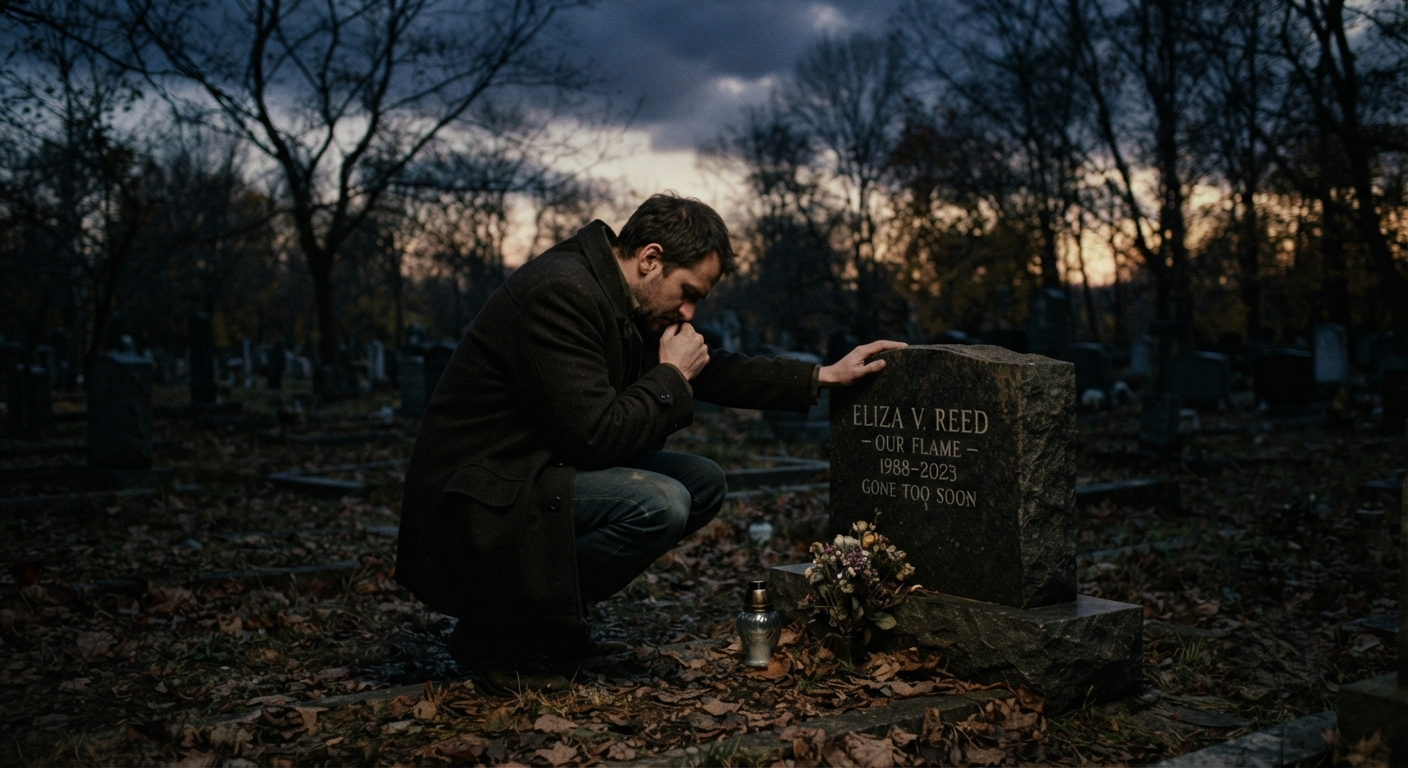
*Let's workshop this poem about cherished memories becoming dimmer and less tangible due to the absence of a significant individual who once helped breathe life and meaning into them.
One Lifeboat Fewer
Luminous no longer to nourish them, if only with his nudging glance; to flush, to flesh,
them out; to affirm or refute your playback—memories defoliate into stumps too soon
after that tssk of the flame who shared them with you: inheritor of unexpected poverty.
“We need books that affect us like a disaster, that grieve us deeply, like the death of someone we loved more than ourselves, like being banished into forests far from everyone, like a suicide. A book must be the axe for the frozen sea within us.”—Kafka (against the safe-space cancel culture pushed by anti-art bullies, left and right)