Demons Outside of Hollywood Take Their Time (ROUND 1)
scent of the day: Lao Oud, by Bortnikoff
Lao Oud (2019, Dmitry Bortnikoff)—hard not to place as my number one even though the pickled-poop fermentation of its blackened woods mellows too soon into a roasted marzipan musk (a similar ferality-tinged pyrazine nuttiness to what we get in Tabac Dore, only tinged with peach and a central pink pepper that I overlooked when my nose was still too immature to see this as a full composition whose elegance rivals Oud Monarch)—
marries decreasingly recessive florals (creamy-lemon magnolia and herbal-apple chamomile, perhaps also peachy-pineapple frangipani and even petrolic-talcum violet) with a goat-trough trio of sunbaked-bandage Laotian agarwood (more floral-pollen barnyard-straw with distant farm metallics than infected-cyst blue cheese here) and clove-tar Indian agarwood (more milk-chocolate with distant shit-locked haunch than industrial-automotive burnt rubber here) and musty-barrel crocodile wood (a tannic bark, astringent like an oxidized dry red wine or a bitter black Assam tea spilled on papyrus, that is to oud cutting what caffeine-powder is to coke cutting),
the double helix of florals and ouds (wildflower nectar meets green-olive brine) swaddled in a gasoline-like Russian leather (smoky-charcoal birch tar, smoky-sweet guaiac wood) coated in molassesy blend of what seems (in the context of the dirty-haunch whole, a dirty haunch that gets less intense not only with wear time on skin but with your own time on the fragrance journey) an earth-affirming libation poured at the fearsome hooves of some ancient goat-headed idol:
abyss-black espresso (likely the chocolatey-earthy-syrupy street-stall Robusta, which is more common and affordable than bougie Arabica along the Mekong) dusted with bitter cacao and some Christmas-candle spices (vanilla and cinnamon mainly, perhaps even some clove and licorice) after having been spiked lightly with a pissy shot of civet (a fantasy chord conjured by the animalic duo of beeswax and oud) and a gourmand shot of banana-caramel-rum syrup (a fantasy chord conjured by the tropical trio of beeswax, florals, and Peru balsam)—
the overall result being a flambéed-agarwood fragrance, one of the best flankers since Bel Ami Vetiver if we consider it (as some do) a flanker of Oud Monarch (a big “if”), that transitions from a fermented compost pile (woodchips, manure, spent coffee grinds) into a sunnier fertilizer mulch (birch shavings radiating snuffed-match vapors) out of which dew-glossed florals (waxy, almost petroleum-jelly-like) sprout ever higher into apple-cider sweetness;
the overall result being a woody-mastic fragrance that, blending upbeat-sociable elements (almondy-molasses tonka, solar-orchard florals, with a fuzzy-fermented peach and a rosy-chrome pink pepper that I began to notice only after a year of wear) with swampy-introspective elements (leathery tar, crème-brûlée balsams, yeasty oud), reaches the meticulous heights of classical orchestra in terms of hi-fi precision (think: Ormonde Jayne releases like Nawab of Oud or Tolu)
and yet by some magical alchemy, which might just be a byproduct of the high-quality naturals no longer available in the current editions, manages to retain (as in fact the unfiltered sedimentation in the bottle visually suggests) the rugged emotional immediacy (the inviting authenticity, the down-to-earth aura) that usually only comes, at least at such levels of richness, from the lo-fi garage-band crudity of an unvarnished DIY production style (think: the gritty releases from artisanal houses like TSVGA in the perfume world or from artists like John Darnielle and Duke Aliano in the music world).
*Let's workshop this poem about the history written into Granny’s hands: from their onion-scented adolescence to their rheumatoid doddering--perhaps the cosmic bill, the pied-piper price, for self-play
Demons Outside of Hollywood Take Their Time
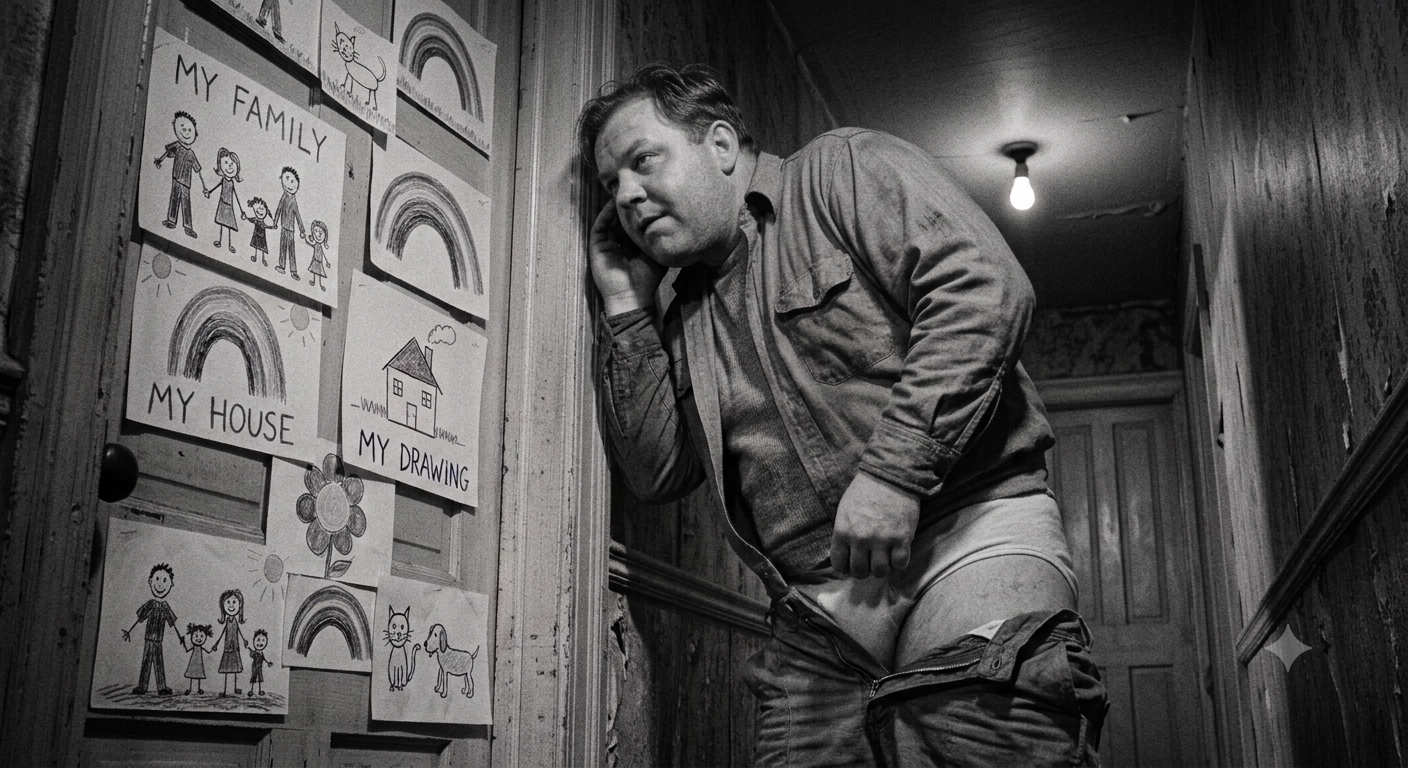
Granny’s hand—blue veins bulbous against taut desiccation milky in its translucence;
fingers gnarled like afflicted ginger—once churned that nub into diced-onion agonies
the whole house could smell, tacky tween plaps mean enough to unzip Dad in the hall.
“We need books that affect us like a disaster, that grieve us deeply, like the death of someone we loved more than ourselves, like being banished into forests far from everyone, like a suicide. A book must be the axe for the frozen sea within us.”—Kafka (against the safe-space cancel culture pushed by anti-art bullies, left and right)